From Notebooks to Kubernetes: Bridging the MLOps Gap
Why most ML models never reach production, and how to engineer the bridge between data science and enterprise operations.
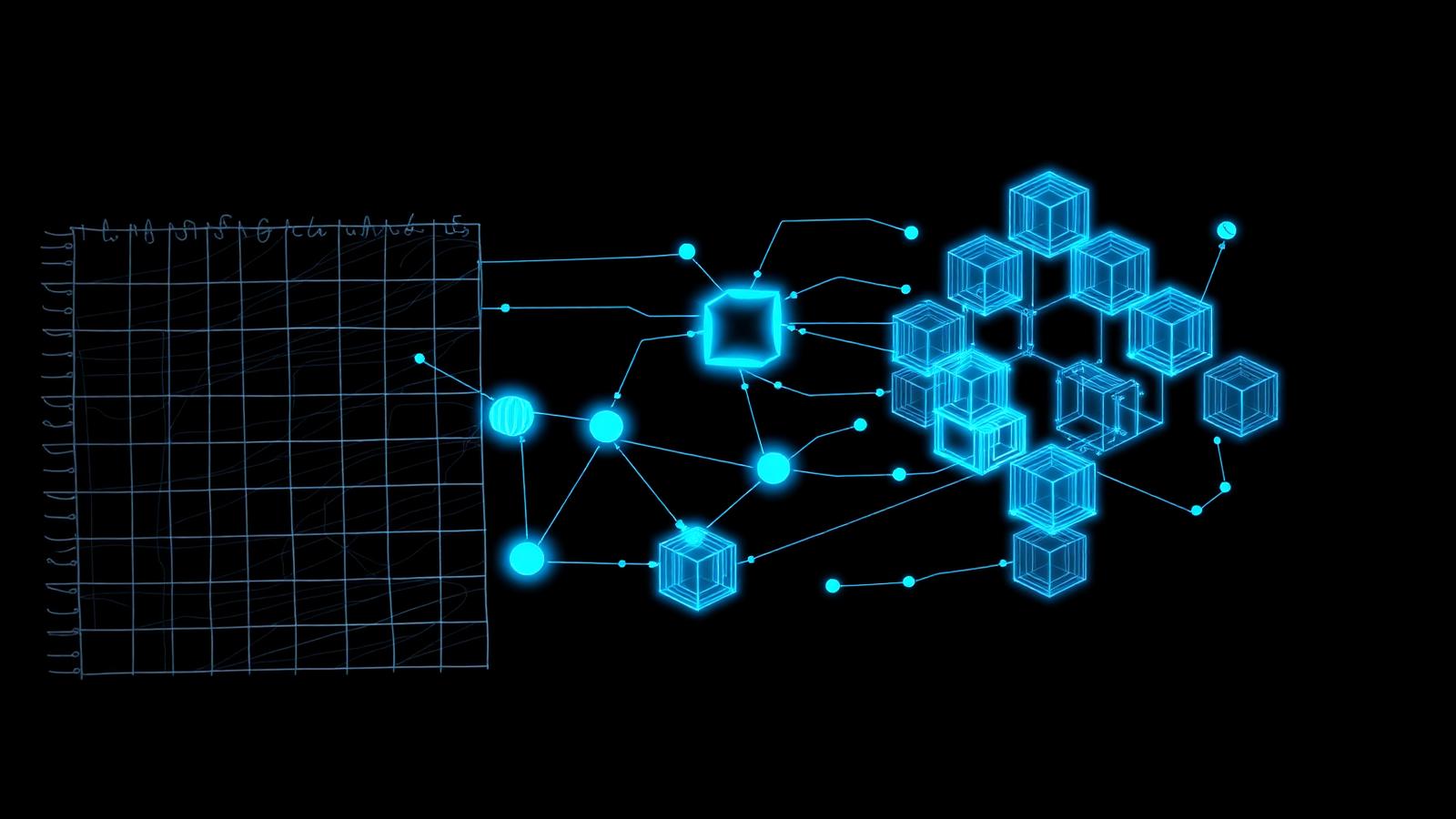
Most machine learning projects fail long before the model quality becomes the issue. They fail because the path from a working notebook to a reliable, observable production service is a completely different discipline than training.
The Real Bottleneck
Data science teams optimize for accuracy, experimentation speed, and clean data. Production systems require latency budgets, failure modes, rollback strategies, and cost controls. The gap between those two mindsets is where AI initiatives stall.
What Production MLOps Actually Looks Like
A production-ready ML system is not just a model wrapped in an API. It includes:
- Versioned, reproducible training pipelines
- Containerized inference services with health checks and autoscaling
- Feature stores that serve consistent data in training and production
- Observability into model drift, latency, and business outcomes
- CI/CD pipelines that treat model artifacts as first-class release artifacts
The Ingelenz Approach
We architect the bridge between your data scientists and your platform engineers. Rather than handing off a Jupyter notebook and hoping it survives, we design the deployment pipeline, monitoring layer, and operational runbooks so the system keeps working after the demo ends.
If your organization is still treating model deployment as an afterthought, the bottleneck is not talent. It is engineering architecture.